

Key takeaways
- Book flights first—award inventory releases on fixed schedules and sells out fastest on long-haul and peak-season routes.
- Secure hotels after confirming flights, prioritizing premium properties in Brazil that have limited award availability.
- Transfer points only after locking flights, and book ground services last, as inventory is rarely the constraint.
- Use free cancellation policies to lock in early redemption rates before dynamic pricing devaluations reduce points purchasing power.
When you’re paying for a trip with points instead of cash, the order in which you book each component—flights, hotels, transfers, activities—is not arbitrary. Award inventory works by different rules than paid bookings, and making the wrong decision early can cost you tens of thousands of points or force you to cancel and rebook at a worse rate. The stakes are real: a premium cabin award to Europe can jump from 62,500 to 120,000 Avios mid-week if you wait, or a Hyatt Globalist upgrade can vanish because you booked your hotel room too late.
Why booking sequence matters
Three dynamics make booking order critical:
- Award space inventory is finite and releases on fixed schedules—airlines release long-haul awards four to six months out, while hotels allocate rooms differently by property.
- Your points represent a currency that may lose value (Marriott Bonvoy points have devalued roughly 30% in five years), so locking in early redemption rates protects purchasing power.
- Cancellation policies differ across programs—some allow free rebooks at the new rate, others lock you in—so the order affects your flexibility to adapt if prices shift.
Book flights first: scarcity and the six-month window
Award flights should be booked first because available inventory is the binding constraint. A Hyatt in São Paulo typically holds rooms for award redemption year-round, but a United flight from São Paulo (GIG or GRU) to London in July has a fixed pool of seats released four to six months prior, and once gone, it’s gone.
Award inventory: the binding constraint
The rule is especially sharp on long-haul or peak-season routes. A round-trip business class award from Brazil to Europe—say, São Paulo to London—costs around 62,500 Avios on British Airways, 120,000 to 140,000 United MileagePlus miles, or equivalent amounts from Marriott Bonvoy when transferred to airline partners (rates vary by carrier). But this rate only holds if you book when inventory opens. The same route in July might cost 120,000 Avios two weeks later as economy cabins close and the airline releases fewer premium awards. If you booked the hotel first and then discovered your flight options were gone, you’ve lost the trip or must accept a worse redemption rate.
Pricing across programs
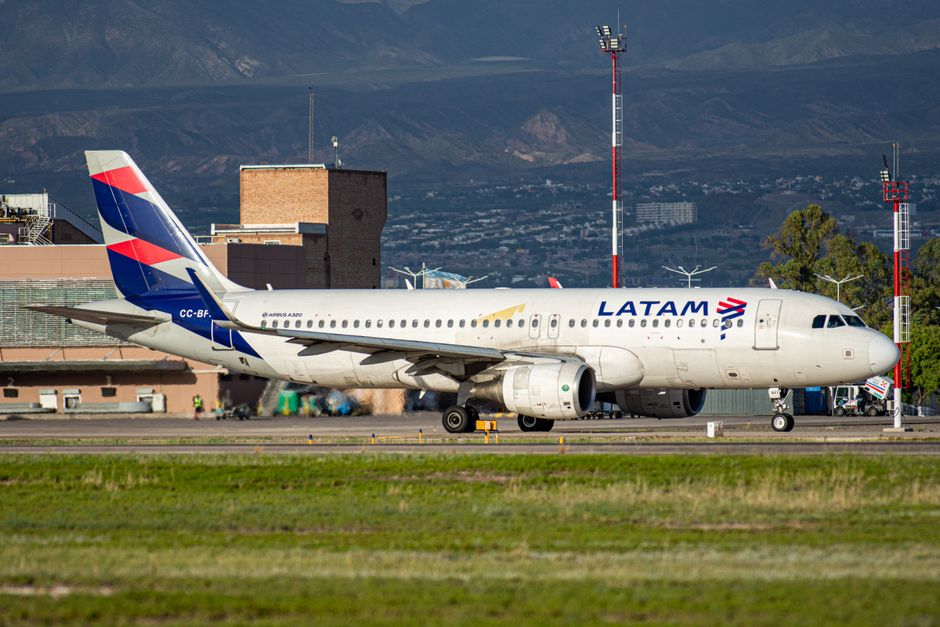
Check award availability across multiple programs before committing to any booking. A trip from São Paulo to New York might be 70,000 miles on LATAM (Brazil’s flagship), 85,000 on United, or 75,000 on American when redeeming Marriott or Amex Platinum points. The gap matters—15,000 points can fund a night in a nice hotel. Set up alerts on award search engines or check directly on each airline’s website. LATAM, United, and American all show award inventory when you search by points rather than cash.
When to check and book
Airlines release long-haul awards from major hubs (like GRU and GIG) at the six-month mark; some release additional inventory at three months. Peak summer travel (December–January for Southern Hemisphere winter, July–August for Northern Hemisphere) sells out fastest. Book the moment you see availability, even if you’re not certain of exact dates—most programs allow free rebooks within 24–48 hours if you need to adjust.
Hotels next: property scarcity and elite benefits
Once flights are locked, book hotels. This timing ensures you have confirmed travel dates and can think clearly about hotel strategy, which is more complex than flights because of elite status, upgrade certificates, and property-specific policies.
Premium properties in Brazil
Award availability at premium hotels is less scarce than flights, but that’s only true for mainstream properties. If you’re targeting a specific luxury hotel—the Fasano in Rio de Janeiro, a Hyatt Centric in Salvador, or an InterContinental during Carnival—award nights can sell out weeks ahead. Hyatt properties in Brazilian cities especially tend to have limited award inventory, given the small number of options. Book the hotel after flights but before longer lead times make popular properties unavailable.
Status benefits and timing
Elite status adds complexity to the decision. If you’re a Hyatt Globalist or Marriott Elite Elite, booking within 14 days can affect your upgrade odds—some properties operate on real-time upgrade availability rather than pre-release. Conversely, booking far in advance locks in your benefit package (free breakfast, lounge access, late checkout) and prevents the hotel from overbooking and denying upgrades. The strategy depends on your elite tier and the specific property.
Transfer points into airline partners only once you’ve confirmed your outbound flight. Marriott allows transfers of 1,250 points to partners like LATAM, United, American, and others—but the clock starts immediately. Transfer only when you’re ready to book, since points transferred cannot usually be moved back to Bonvoy or held in an airline account indefinitely.
Transfers and activities: book last
Rental cars, airport transfers, and activities are the last priority because inventory is rarely the constraint, and prices are more volatile. A rental car from São Paulo or Rio can usually be rebooked the day before without penalty; an Uber to Galeão or GRU exists on demand; a tour of Christ the Redeemer has daily departures.
If these are booked via points—through a program’s shopping portal or a hotel package—book them only after flights and hotels are confirmed. If you’re booking with cash or a third-party service (Airbnb, GetYourGuide), there’s no points advantage to sequencing, so do it whenever convenient.
One exception: premium experiences booked through travel partners with real scarcity (certain high-end lodges, private jet charters, specialized tours) should be confirmed early. But most activity bookings are flexible enough to move to the last week before travel.
Tax, fees, and the Brazil angle
Flights booked with points often still carry taxes and surcharges—typically R$ 200–400 per segment on international flights, depending on the airline and routing. The points component doesn’t cover these, so you’re paying cash for taxes out of pocket. This doesn’t change booking sequence, but it should influence which award to book if two options are available. A 62,500-point flight with R$ 250 in taxes is better value than a 65,000-point flight with R$ 150 in taxes when you calculate the points-per-real-saved.
Hotels booked as awards are usually free of unexpected fees, but confirm the rate is fully inclusive—no resort fees for beach properties, no parking charges at city hotels. Brazilian hotels sometimes levy these as add-ons hidden in fine print.
Dynamic pricing signals: when to break the rule
The rule—flights first, hotels second—should break if you see a strong dynamic pricing signal. If an airline suddenly devalues a specific cabin or route, accelerate a hotel booking you’ve already identified to lock in the value. Marriott’s rolling devaluations of Bonvoy points came with 30+ days’ notice, which was enough time to rush bookings before the new rate took effect.
Similarly, if you’re holding transfer credits with an airline partner (say, you transferred Marriott points to LATAM but didn’t use them), book hotels in LATAM destinations first to secure the points in case the program devalues transfer rates.
Practical checklist: booking calendar and flexibility
The optimal timeline follows this sequence:
- Month 6: Book flights the moment inventory opens, then immediately book the return.
- Month 4–6: Block hotel dates for 14 days as insurance (usually free hold).
- Month 1–2: Finalize the hotel 4–6 weeks before travel to lock the property.
- Week 2: Book ancillary services (transfers, activities) once your itinerary is confirmed.
Confirm all taxes are quoted in Brazilian reais, not USD converted at inflated rates. Leave ground services and dining reservations to two weeks before departure, by which time your flights and hotel are locked and you won’t need to adjust.
The only exception: if elite status expires mid-trip, book the hotel first to ensure your elite benefits are active for check-in.
Frequently Asked Questions
Why should I book award flights before hotels?
Award flight inventory is finite and releases on fixed schedules four to six months prior, with limited seats available. Once gone, you cannot book that award rate again. Hotel awards are available year-round at most properties, making them less time-sensitive.
What's the best time to book a hotel when paying with points?
Book hotels four to six weeks before travel, after flights are confirmed. This locks the property while allowing time for changes if your schedule shifts. For elite members, booking earlier can secure upgrade benefits.
Do I have to pay cash taxes on award bookings from Brazil?
Yes. International flights booked with points typically include R$ 200–400 per segment in taxes and surcharges that you pay in cash. Always confirm the total cost in Brazilian reais before finalizing the award booking.
